
Limerick 2030: The future of renovation in a changing city
Limerick is on the verge of a transformation, one that is driven not only by ambitious plans for growth and development but also by a deep commitment to preserving its rich history while adapting to the modern world. As the city works towards the vision of Limerick 2030, a strategic plan to transform the urban landscape by 2030, the impacts on renovation and construction are profound, touching everything from building preservation to sustainability.
The overarching goal of Limerick 2030 is to create a vibrant, sustainable, and inclusive city that can attract both new residents and businesses, while making the most of its unique architectural heritage. The city aims to become a hub for technology, innovation, and cultural engagement. However, the road to 2030 is not just about bold new developments. It is equally about breathing new life into the city’s historic buildings, many of which have stood for centuries and carry the weight of Limerick’s identity.
Renovation projects will play a crucial role in this vision. As the city continues to evolve, the blend of old and new becomes more essential than ever. This dual focus presents its own set of challenges and opportunities for businesses and homeowners involved in renovations. And it’s not just about sprucing up old facades or modernizing interiors—it’s about ensuring that every renovation serves the greater purpose of the city’s future while respecting the past.
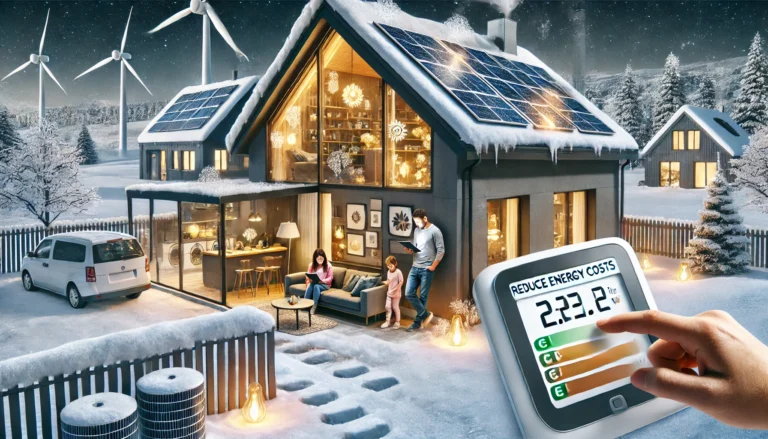
The first, and perhaps most significant, impact of Limerick 2030 on renovation is the shift towards sustainability. As the city becomes more environmentally conscious, so too do its residents and developers. With climate change and energy efficiency at the forefront of the global conversation, Limerick has embraced the need to greenify its buildings. For renovators, this means integrating eco-friendly materials, improving insulation, and installing energy-efficient systems that reduce the carbon footprint of historic and new buildings alike. Gone are the days of drafty old buildings; now, the challenge is finding innovative ways to modernize without sacrificing character.
Take, for example, Limerick’s Georgian Quarter. Known for its grand townhouses and narrow streets lined with iconic stone buildings, this area stands as a testament to the city’s history. Renovating these structures to meet modern standards of comfort and efficiency without losing their charm is no small task. It requires delicate planning, expertise, and an understanding of heritage conservation techniques. With Limerick 2030 steering the ship, these buildings are being given a second life, offering the perfect blend of tradition and contemporary living. However, the demand for careful renovation is growing, as property owners and developers understand that historical value must not be sacrificed in the name of modernity.
But it’s not just about preserving the old. Limerick 2030 encourages innovative design alongside historic preservation. The Adare District redevelopment is a prime example of this, where contemporary architecture meets the quaint charm of traditional Irish village life. The city is investing in smart infrastructure and innovative technologies to create homes and spaces that are connected, efficient, and forward-thinking.
For the renovators and construction companies working in the city, such as Dypeo, the implications of Limerick 2030 are clear: stay ahead of the curve, understand evolving trends, and be equipped with the tools and knowledge to deliver the next generation of homes and businesses. This is where smart renovations come into play—upgrading plumbing, electrical systems, and insulation while integrating modern aesthetics with old-world charm. It’s about making every building work harder and smarter for its owners, all while contributing to the sustainability goals of the city.
Of course, such ambitious plans don’t come without their challenges. The complex regulatory environment for building conservation, along with the pressures of modern urban development, will make renovations trickier for some. That’s why local expertise, such as that offered by Dypeo, will be invaluable. The company’s experience in navigating Limerick’s planning laws, working within heritage guidelines, and implementing cutting-edge renovation practices means they are poised to assist in shaping Limerick’s future. Whether it’s upgrading energy systems in old buildings or ensuring compliance with the latest construction codes, professional renovators will need to stay nimble and adaptable.
But beyond the technical aspects, Limerick 2030 is also about fostering a sense of community. As more people move to the city, the demand for affordable, quality housing will increase, and renovations will have to accommodate this shift. The challenge, then, becomes how to deliver modern, sustainable living spaces at a price point that allows the city’s residents to thrive. And in this, Limerick 2030 offers opportunities for builders and renovators to think creatively—reimagining spaces that are functional, efficient, and beautiful, without losing the essence of what makes Limerick unique.
As the city moves towards its 2030 vision, there is an exciting sense of potential in the air. With new projects already underway, Limerick is steadily transforming, and so are the ways in which buildings are being revitalized. As the push for smart, sustainable design continues, Limerick is becoming a model of how modernization and heritage can coexist harmoniously. Whether it’s restoring Victorian terraces, modernizing office spaces, or integrating green technologies into everyday homes, the future of renovation in Limerick is filled with promise.
The next decade will no doubt be an exciting one for the city. With Limerick 2030 as a guide, the opportunities are vast for those involved in the renovation industry. The challenge? To stay inspired, creative, and focused on delivering exceptional work that balances respect for the past with excitement for the future.